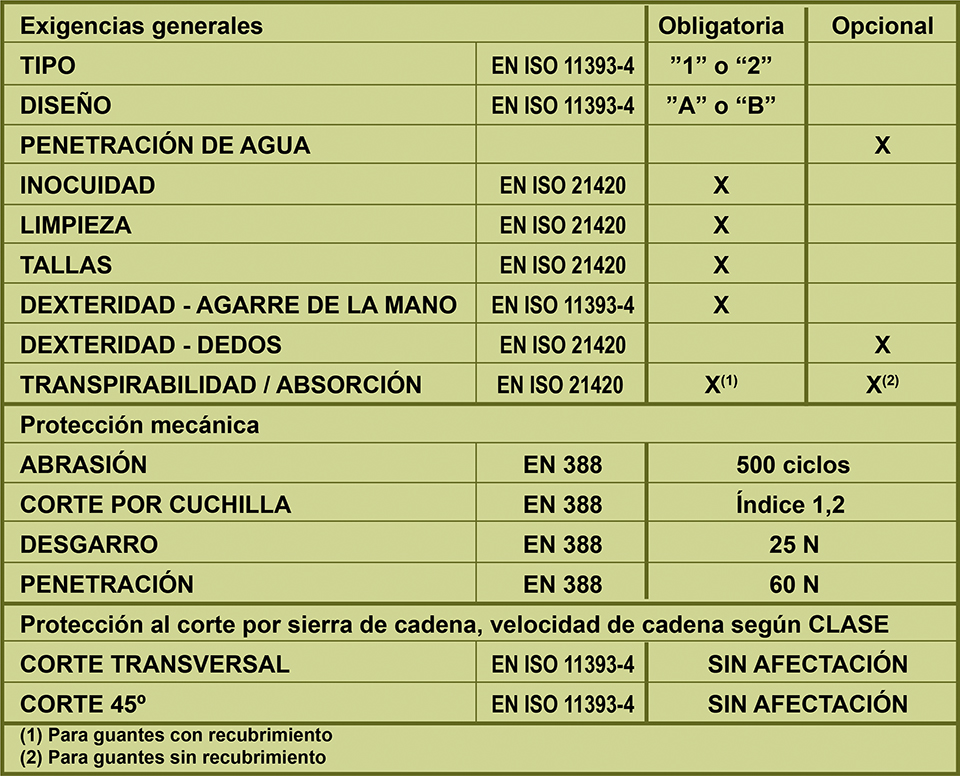
EN ISO 21420 is the standard that defines the general requirements to be met by any glove or other type of equipment for hand and/or arm protection.
This standard should always be used in combination with other standards.
It does not serve by itself to certify a glove.
The standard basically defines the performance, requirements and test methods to be applied for:
BASIC DESIGN
INOCUITY
CLEANING
ANTI-STATIC PROPERTIES
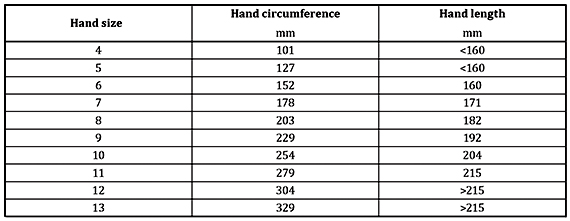
SIZES
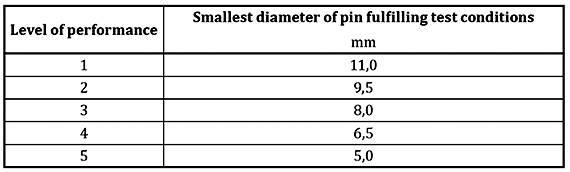
DEXTERITY
COMFORT AND BREATHABILITY
MARK
MANUFACTURER'S INFORMATION


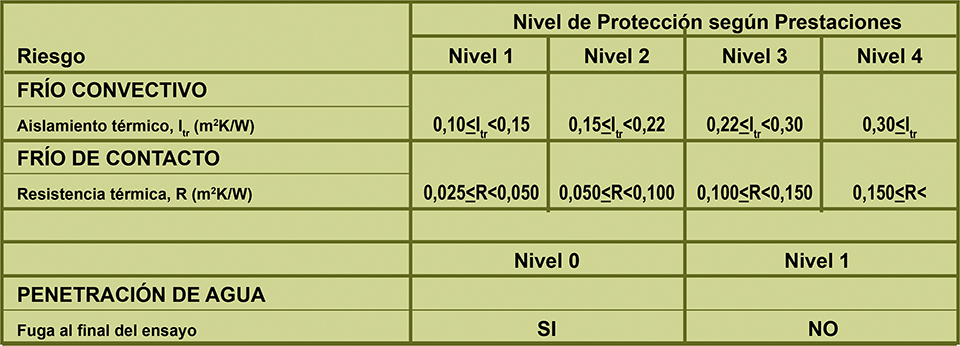
EN 511 is the standard that defines the performance levels for gloves protecting against cold up to -50°C, whether it is a risk associated with climatic conditions or an industrial activity.
The standard includes six basic tests:
(1) - Not required for uncoated materials
(2) - This test applies to gloves for protection at temperatures below -30ºC.
Each insulation test classifies the product into four levels of protection.
A glove certified against cold must achieve at least «Level 1» against convective or contact cold.
Logically, the type and risk level of the glove must cover the risks and levels assessed in the relevant «risk assessment» of the workplace.
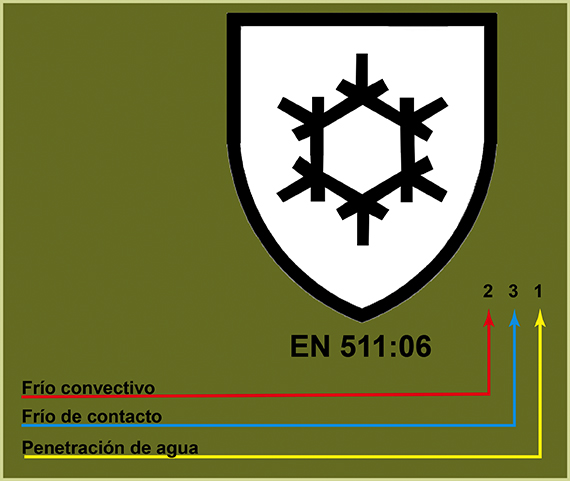
Gloves certified for cold protection must be accompanied by appropriate user information and incorporate the relevant «marking», as shown in the following examples.
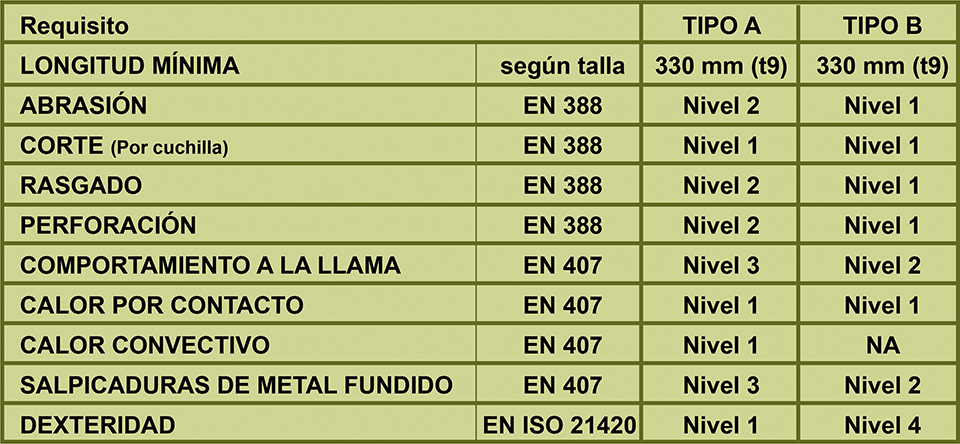
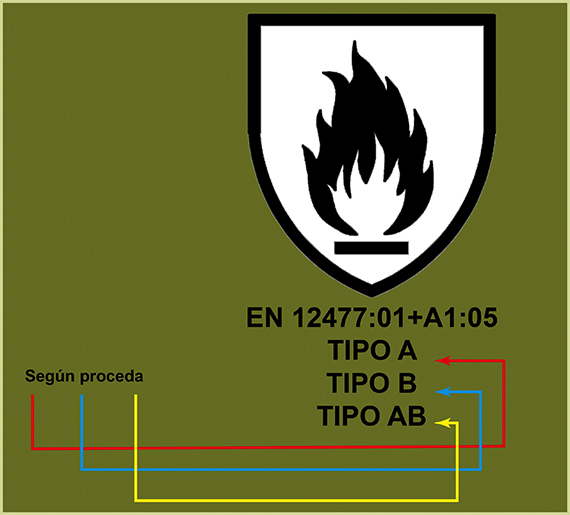
EN 12477 is the standard used to define the performance of protective gloves for welders.
The standard includes ten specific minimum requirements for two different types of welding:
TYPE A
for welding requiring maximum protection
TYPE B
for welding requiring high dexterity (e.g. TIG)